Comfortable Walking Outfits for a European Vacation: Stylish Sightseeing Outfits That Actually Hold Up
Europe is meant for walking and discovering hidden gems on the go. If you take a taxi, you’ll miss out on beautiful views, impromptu gelato stops, and cozy local cafes. As a frequent traveler to Europe, I’ve learned that supportive shoes are only half the answer when it comes to a comfortable walking outfit.
After walking 20,000 steps a day in Barcelona while still taking cute photos, I finally perfected my outfit formula. Through trial and error, I figured out what shoes to wear, which breathable fabrics handle the heat, and—most importantly—how to look stylish without sacrificing comfort or looking like a typical tourist.
This is the guide I wish I’d had before my first big Europe trip. We’re going to build outfits that actually hold up through a full day of walking, not just look good in the flight-day mirror selfie.
Why “Just Wear Sneakers” Isn’t Enough
Here’s the thing nobody tells you: the discomfort you feel by hour six of a European walking day rarely comes from your shoes alone. It comes from the waistband that’s been digging in since lunch, the inner-thigh chafing you didn’t think to prepare for, the cotton socks that turned damp somewhere around the third cathedral.
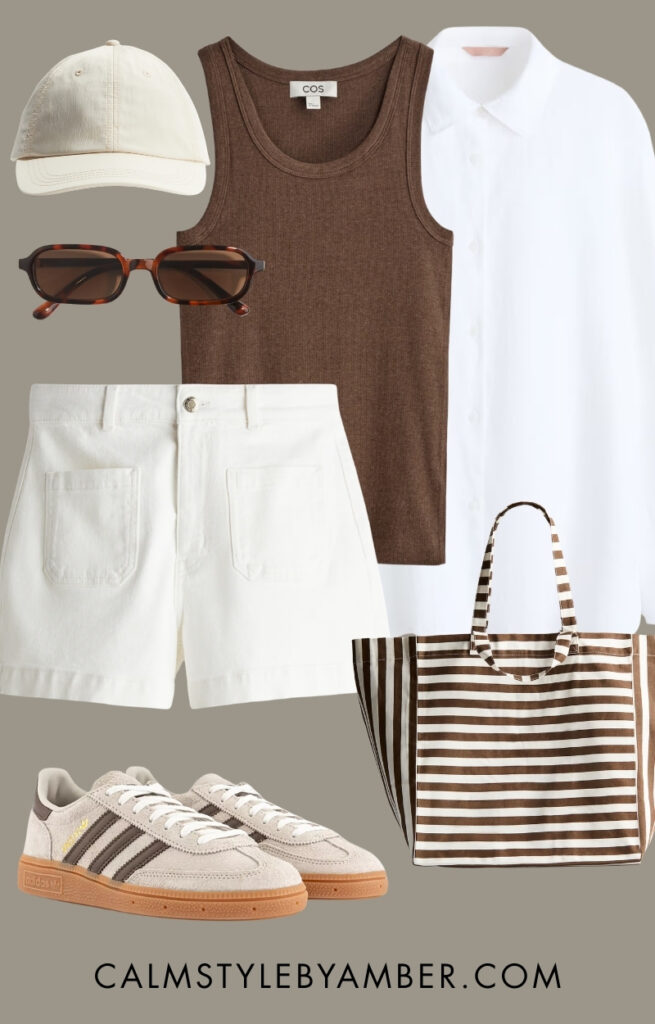
Fifteen thousand steps feels different in real life than it does in your head when you’re packing. At home, you walk from the couch to the kitchen to the car. In Rome or Paris or Lisbon, you’re on your feet for hours at a stretch, often on uneven cobblestone, often in heat you’re not used to, with a bag pulling on one shoulder the whole time. Your outfit needs to be built for that specific kind of day, not just for looking cute in photos.
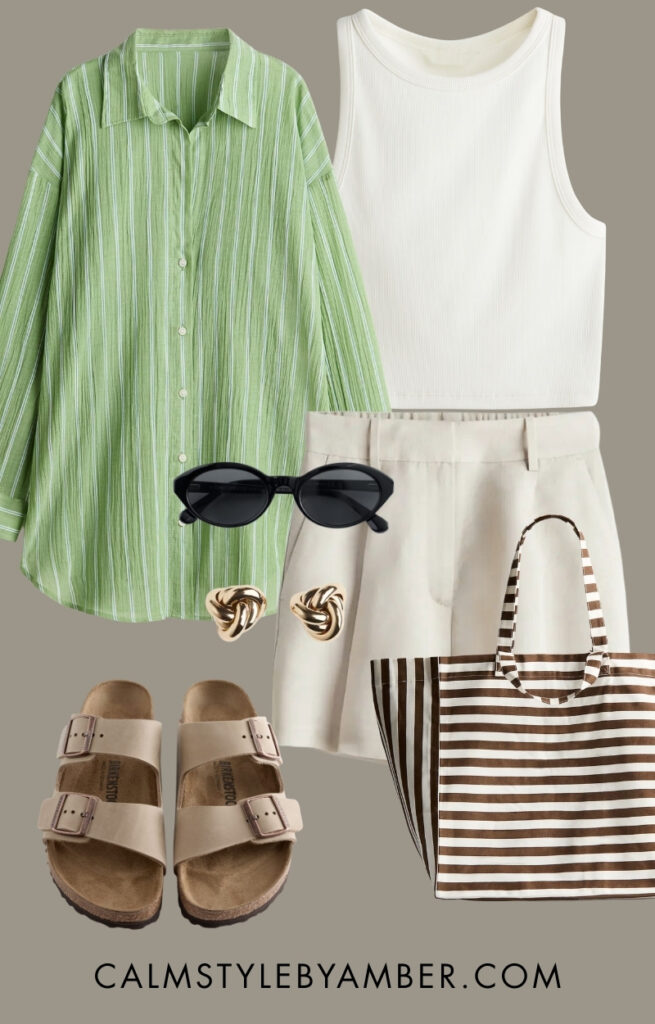
So before we get into what to actually wear, let’s reframe the goal. Comfortable walking outfits for europe aren’t about finding the one magic sneaker. They’re a full system: temperature, fabric, fit, and bag all working together so you’re not fighting your clothes by 2pm.
Dress for the Swing, Not the Season
Here’s a pattern that catches almost everyone off guard the first time: European weather doesn’t stay put during the day. You’ll step outside at 8am into cool, almost chilly air, and by 1pm you’re sweating in full sun with nowhere to hide from it. Then the evening cools right back down, especially near the coast. This happens in spring, in fall, and honestly even in the middle of summer in a lot of cities.
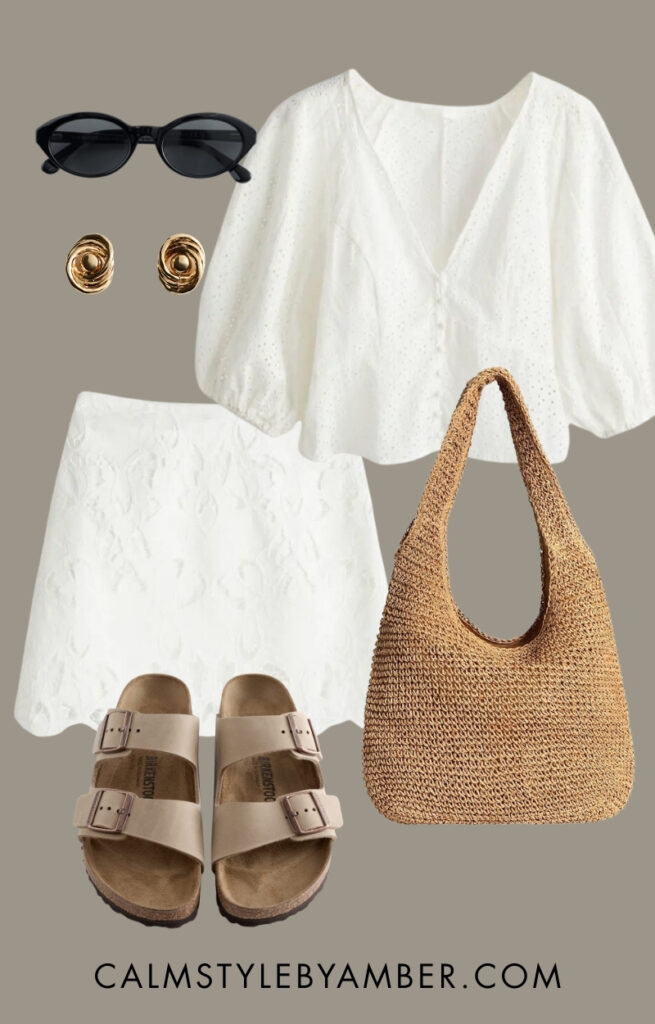
This is why layering for europe travel matters so much more than most packing lists let on. It’s not “bring a jacket just in case.” It’s building an outfit that can shed and add layers without you having to stop and completely change.
The formula that works: a breathable base layer (think a lightweight tank or tee), a mid layer you can tie around your waist or bag when it warms up (a linen button-down, a light knit), and an outer layer for morning and evening (a packable jacket or oversized cardigan). Each piece should be able to stand alone or stack with the others, so you’re never stuck carrying something bulky just because you needed it for twenty minutes at 8am.
On fabric, the practical rule of thumb is this: natural fibers like linen and cotton blends breathe well and won’t leave you clammy, but they wrinkle fast, so don’t expect them to look freshly pressed by noon. If that bothers you, a lightweight technical blend holds its shape better through a long day, though it won’t feel quite as airy in real heat. Neither is objectively better. It’s about which trade-off you’d rather live with for eight hours.
The Non-Shoe Details That Prevent a Miserable Day
This is the part almost nobody talks about, and it’s honestly where most of your comfort actually comes from.
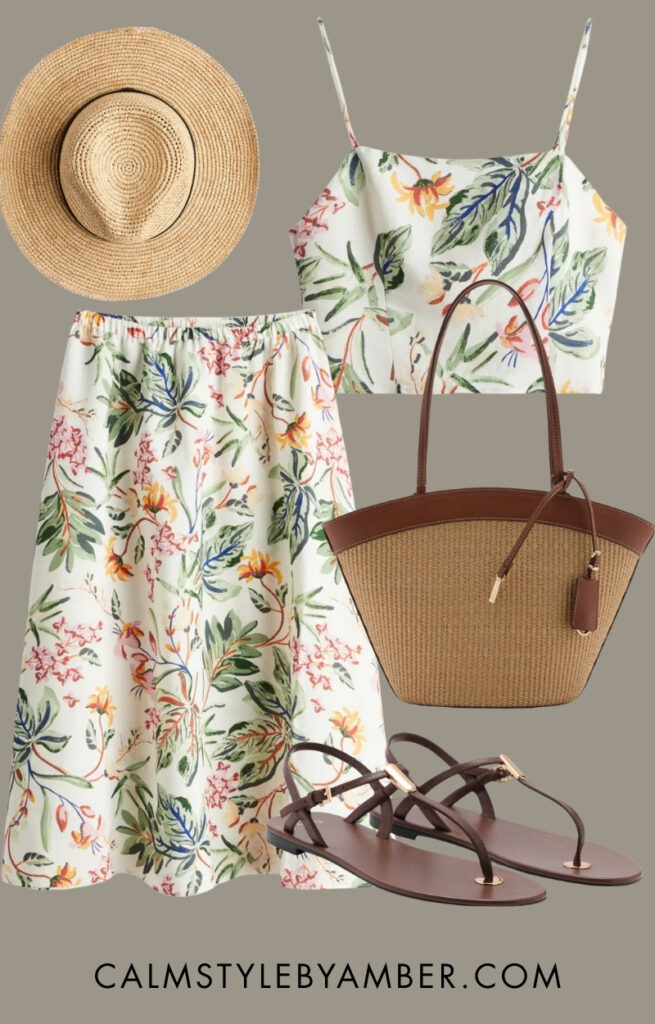
Start with socks, because they matter more than people think. Cotton socks trap moisture and that moisture is what causes blisters, not just a wrong-sized shoe. A moisture-wicking blend, even a thin one, keeps your feet noticeably drier over a long walking day. If you already own good hiking or running socks, pack a few. They’re not just for hiking trips.
Then there’s chafing, which almost nobody mentions until it’s already ruined their afternoon. Between heat, walking, and dresses or shorts, inner-thigh friction is common and completely preventable. A thin layer of anti-chafe balm or even just choosing looser shorts under a dress solves this before it starts. Bra straps digging in after hours of a bag strap crossing over them is another quiet culprit worth planning around.
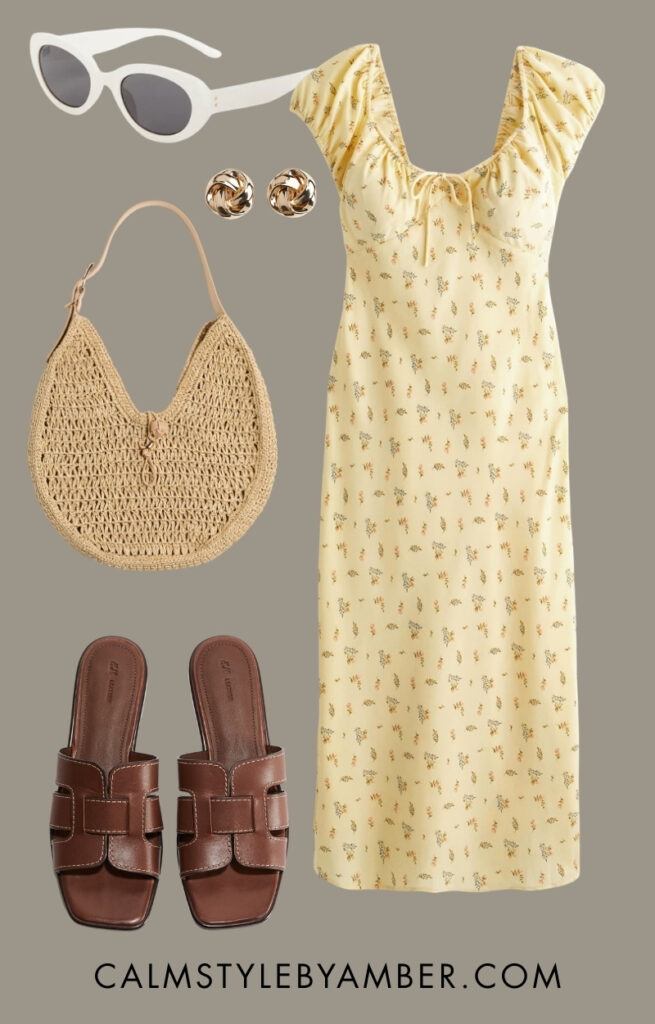
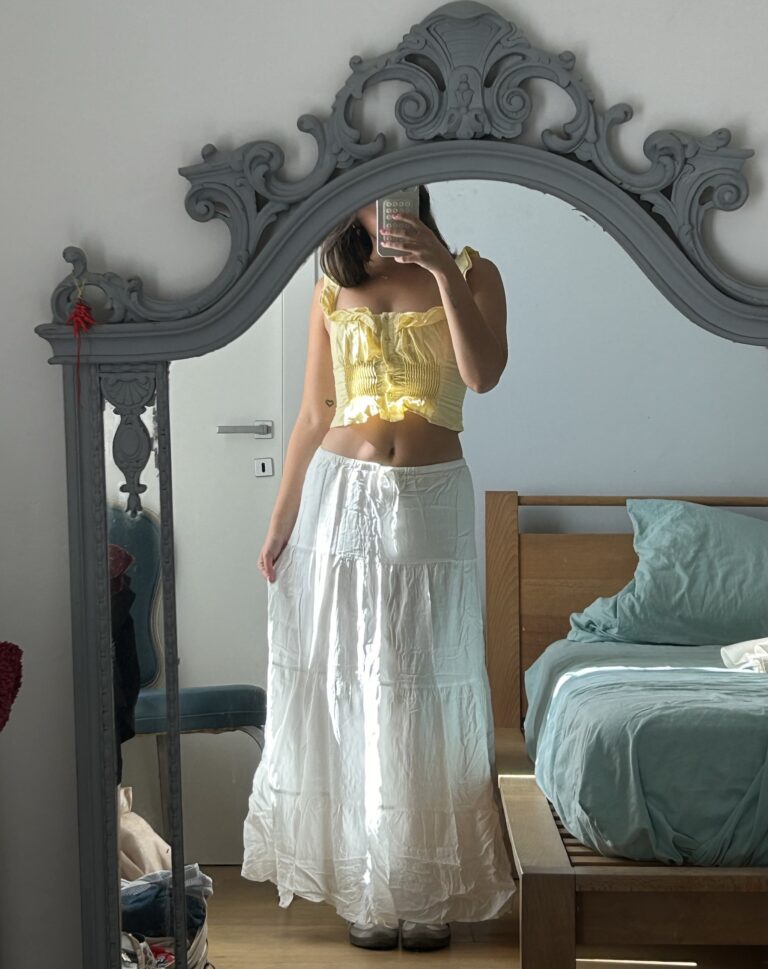
Waistbands deserve their own mention too. Anything structured or tight around your middle, think stiff denim or a fitted waistband, starts to feel like a vice by hour five of sitting, standing, walking, and sitting again on trains and at café tables. Elastic, drawstring, or soft pull-on trousers are the reason I almost always pack comfortable pants for travel instead of stiff jeans.
Last, think about your bag. A crossbody sitting at your hip distributes weight differently than a bag on one shoulder, and after four hours, that difference is the reason one shoulder aches and the other doesn’t. If you’re walking a lot, a bag that sits close to your body and doesn’t swing will save you more discomfort than almost any clothing choice.
Match the Outfit to the Day’s Mileage
Not every day calls for the same sightseeing outfit. A relaxed museum day has completely different clothing needs than a day where you’ll walk twenty thousand steps.
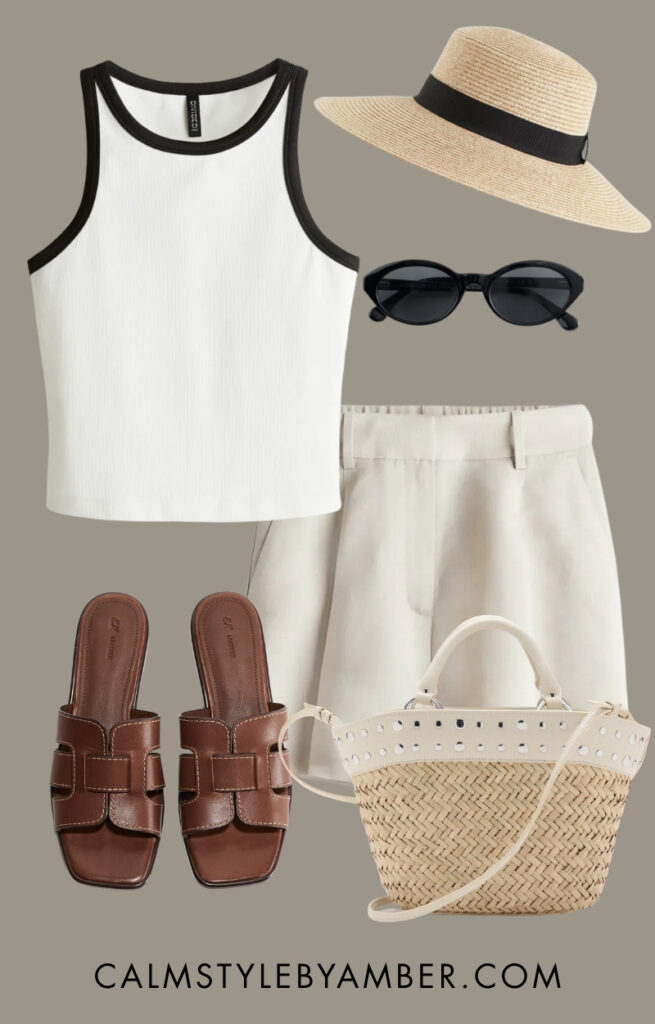
Think of your trip in three rough tiers. A city-stroll day, somewhere around 8,000 to 10,000 steps, is your museum-and-lunch pace, and pretty much anything comfortable works here, including dresses and flats. A full sightseeing day, closer to 15,000 to 20,000 steps, is your classic “walked across the whole old town twice” day, and this is where breathable fabric, a real walking shoe, and a well-fitted bag start to matter a lot more.
Then there’s the hike-to-a-viewpoint day, 20,000-plus steps often with real elevation, like climbing up to a hilltop town or a castle, where you want the most supportive shoe you own, moisture-wicking socks, and nothing structured or restrictive anywhere on your body.
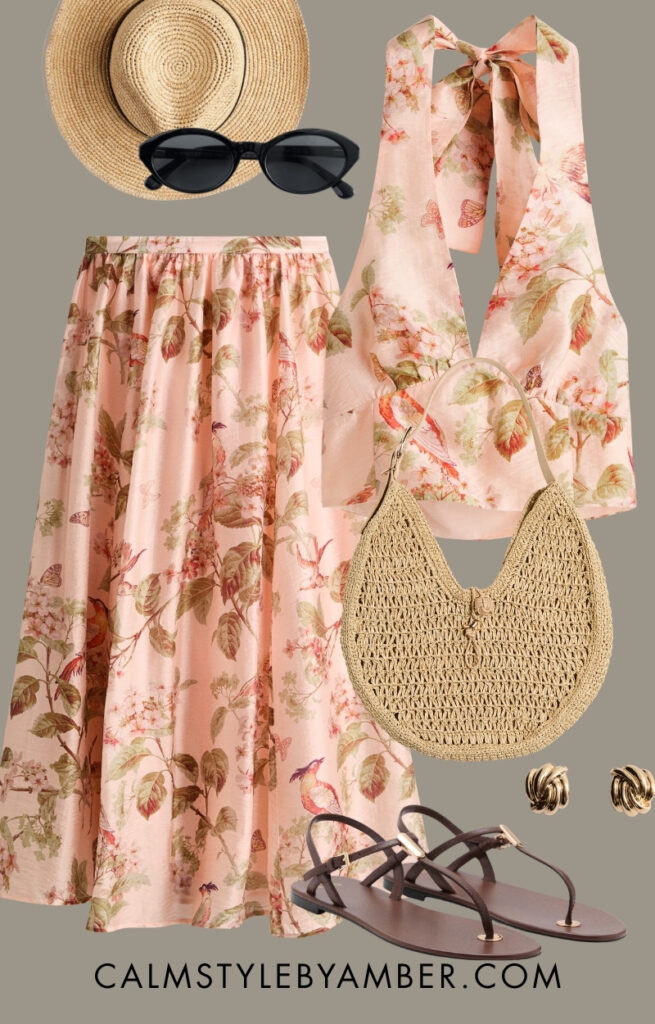
The simple rule of thumb: look at tomorrow’s plan the night before and ask which tier it falls into. If you’re not sure, dress one tier more comfortable than you think you need. You’ll rarely regret being a little more prepared, and you’ll very often regret being a little less.
Making a Small Wardrobe Look Like More
If you’re planning a trip with a carry-on, you’re probably also worried about a very specific, very real thing: looking like you’re wearing the same five outfits in every photo. Here’s the good news. You can build a genuinely small wardrobe that looks like way more than it is, and it comes down to how you combine and style the pieces, not how many you pack.
Travel Capsule Wardrobe
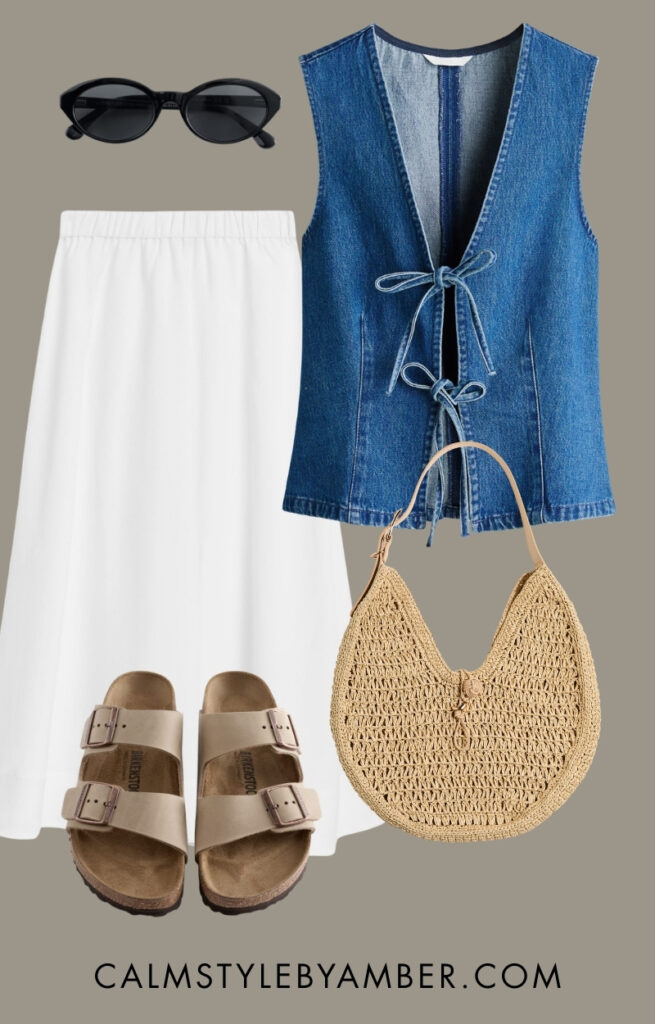
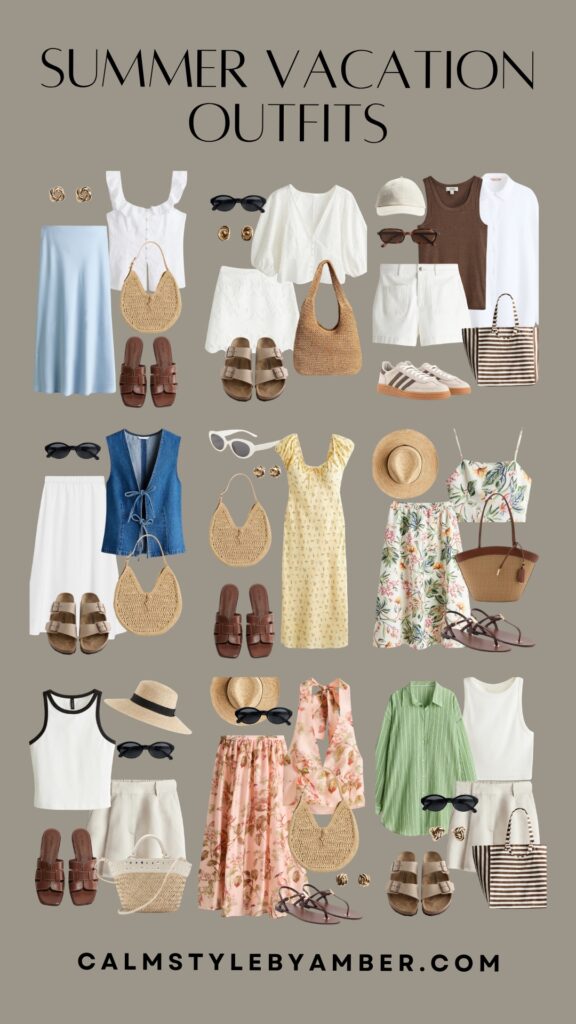
Pick five or six core pieces that all work together: one dress, one pair of trousers or shorts, two tops, one light jacket, one cardigan. On their own that sounds thin. Combined, styled differently, and paired with different accessories, that same handful of pieces can realistically produce ten or more outfits that don’t feel repetitive in photos.
The trick is in the details you change, not the pieces themselves. Tie a shirt at the waist one day, wear it open over a tank the next. Swap earrings and a scarf to shift the whole vibe of a repeated dress. Roll sleeves, tuck a top in versus letting it hang loose, layer the cardigan under the jacket instead of over it. None of this requires more suitcase space. It just requires thinking about styling as part of your packing plan, not an afterthought.
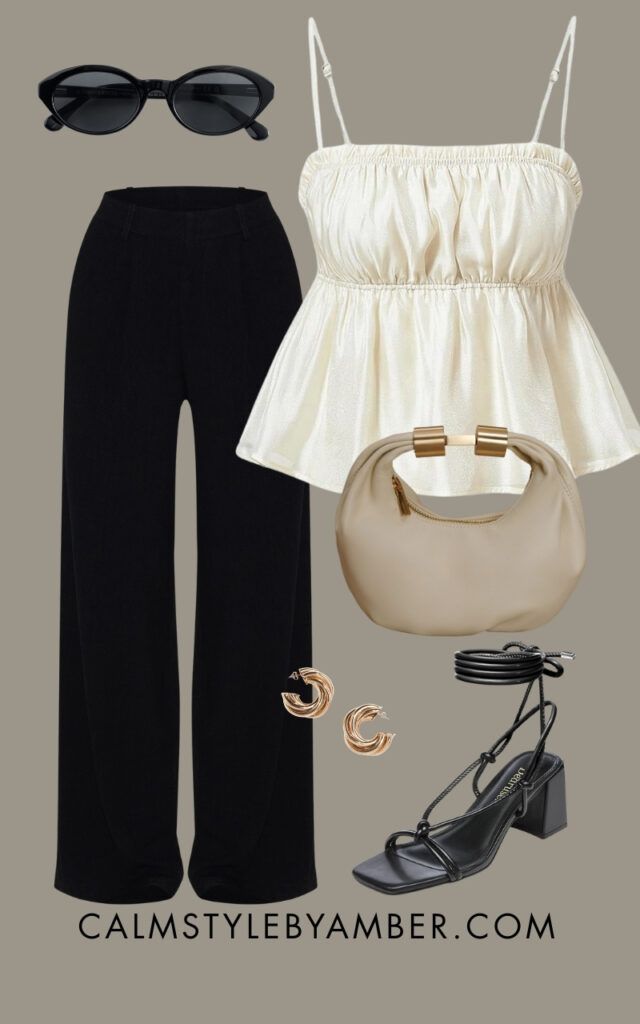
A quick five-day example: day one, the dress worn loose with sneakers and a crossbody. Day two, the same dress belted, with sandals and a scarf. Day three, trousers with the button-down tied at the waist. Day four, trousers with the button-down worn open over a tank. Day five, back to the dress, this time layered under the cardigan for a cooler evening. Same five pieces, five genuinely different-feeling outfits.
A Sample Three-Day Outfit Plan Using This System
Here’s what all of this looks like put together, across three different kinds of days.
Day one, city-stroll day: a breathable midi dress as your base layer, a light cardigan tied around your bag for the morning chill, comfortable flats or low sneakers, moisture-wicking no-show socks, and a crossbody bag worn close to your body. Loose, breathable fit throughout since it’s a lower-mileage day.
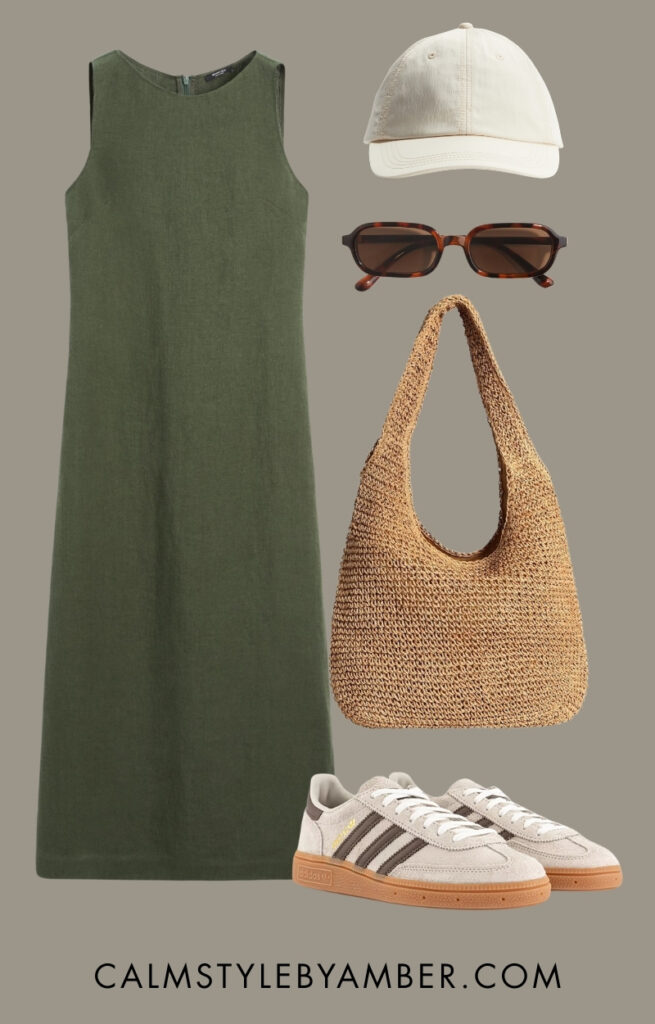
Day two, full sightseeing day: linen trousers with a soft, non-restrictive waistband, a breathable tank as your base layer, a button-down tied at your waist for when it heats up, your most supportive walking sneaker, cushioned moisture-wicking socks, and your crossbody bag again for even weight distribution across a long day.
Day three, hike-to-a-viewpoint day: shorts or leggings with zero waistband pressure, a moisture-wicking tee, your most supportive shoe and thickest walking socks, hair pulled back and off your neck, and a small backpack instead of a crossbody so the weight sits evenly on both shoulders for the climb.
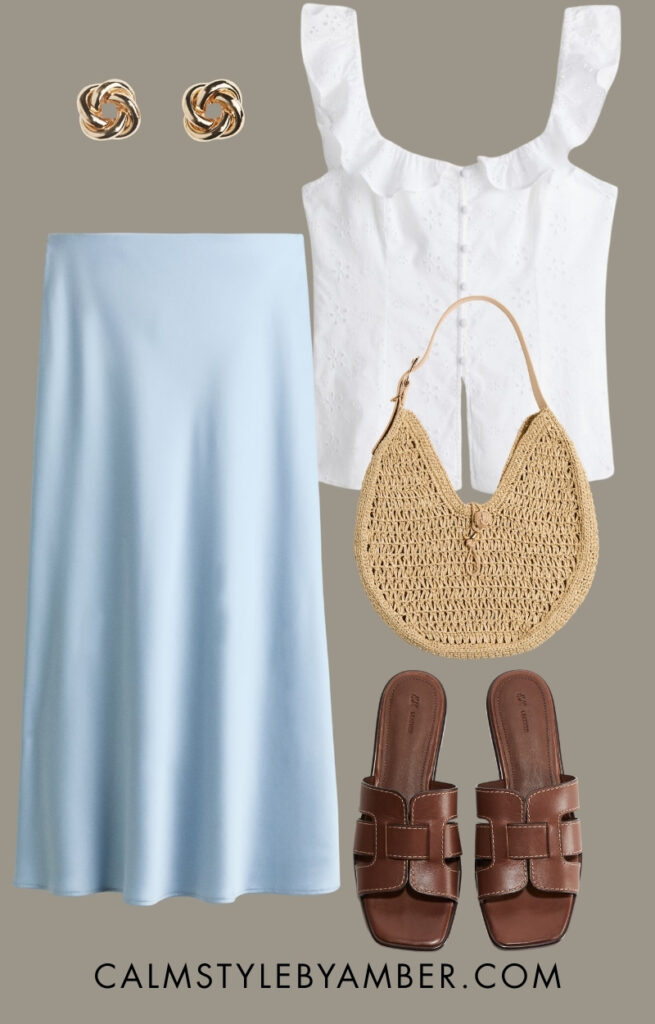
Notice that the same underlying rules run through every single day here: dress for the temperature swing, engineer out the small discomforts before they start, and match the outfit’s structure to how many steps you’re actually taking.
Shoes matter most for evening looks. Pack one pair of heeled sandals or block-heeled mules — they’re the easiest way to elevate any outfit instantly.
You may also like
What NOT to Wear in Europe (Avoid These Mistakes)
These aren’t judgments — they’re practical tips that will help you blend in and feel more comfortable:
- Athletic wear outside of working out: running shoes with non-athletic outfits are fine, but leggings and sports bras as everyday outfits will read as very American or tourist
- Overly logo-heavy or visibly branded clothing
- Shorts in churches or conservative areas (keep a scarf handy)
- Overpacking ‘just in case’ items you won’t use: you’ll walk more than you think and carry everything
- Anything that requires ironing — you won’t iron your clothes in a European hotel